
I remember the first time I moved an NFT on Solana and felt my stomach drop. Whoa! Phantom was new to me then, a slick browser extension promising speed and low fees. My instinct said this was too easy, though actually the setup was straightforward and low friction. The wallet made signing transactions feel oddly casual and fast.
The Solana ecosystem moves quickly, and Phantom keeps up better than most. Seriously? It stores keys locally in the extension, so transactions feel fast without routing everything through a remote server. The extension supports hardware wallets too, which I always recommend for bigger holdings. My instinct said that safety like this would be cumbersome but it’s not.
NFT collectors care about previews, provenance, and gas costs more than ever. Hmm… Initially I thought on-chain metadata display would be basic, but then realized Phantom’s interface surfaces creator, traits, and even the mint address in a readable way that reduces extra lookups. That saved me a ton of time when cataloging a small collection. Also the ability to group or hide tokens is helpful.
On the DeFi side Phantom isn’t a full-blown trading terminal, though it supports connecting to Solana DEXes and bridges with in-extension approvals, which covers 90% of casual user needs. Wow! I used it to approve a swap and felt in control of each step. There are built-in swap aggregators and program interaction features that feel polished. However, for advanced strategies where you need order books, complex limit types, or multi-hop conditional logic, you’ll still want dedicated platforms and sometimes a desktop app or CLI.
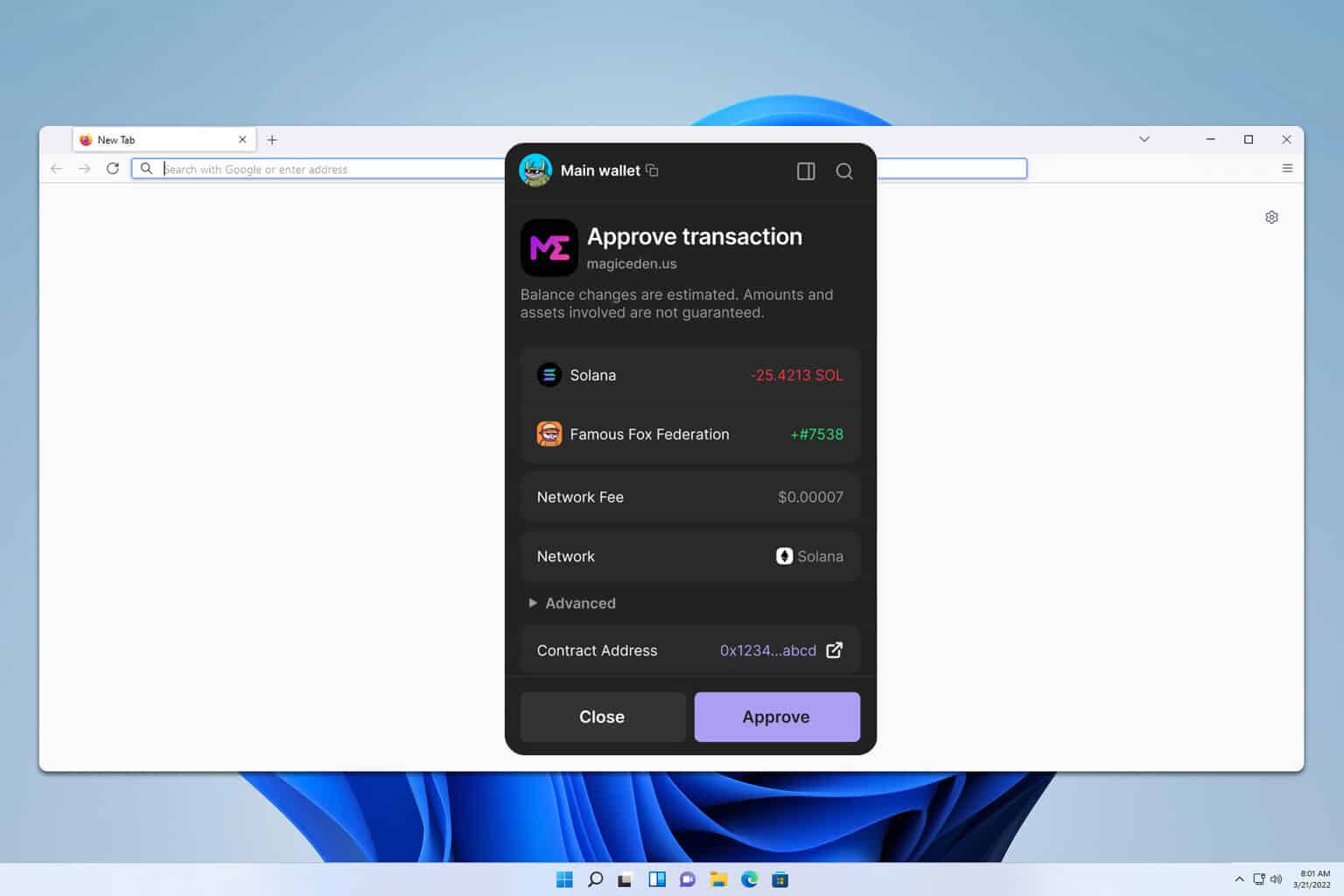
Something felt off about the approval prompts when I first started; they were terse and occasionally vague. Really? On one hand approvals are meant to be quick to prevent decision fatigue, though actually I realized that a little more context about the program or contract would have prevented a near-miss where I almost approved a malicious-looking contract. So I learned to cross-check transaction details and research unfamiliar programs—somethin’ I still do. If you’re new, stop and verify token addresses and sources before approving anything.
Phantom offers a seed phrase vault, password lock, and optional biometric unlock on supported browsers. Here’s the thing. Initially I thought a browser extension would be inherently unsafe, but after testing with a hardware key and following best practices I changed my view enough to use it regularly for mid-size trades. My instinct said keep large holdings offline though, and that’s still my policy. Actually, wait—let me rephrase that: use hardware wallets for your core stash, but Phantom makes day-to-day interactions simple and less error-prone when you pair it with security habits.
Integration with marketplaces like Magic Eden and Solanart makes listing and transferring NFTs straightforward. Whoa! The UI feels American in tone—direct, no fluff—and that’s something I appreciate. I’m biased, but the attention to tiny interface details (like clearer nonce displays and context lines for program interactions) really reduces cognitive load and helps avoid mistakes when you’re clicking fast. This doesn’t mean it’s perfect—there are ecosystem upgrades needed, and some third-party apps still mis-handle token standards.
How to get started safely
If you’re exploring Phantom as an NFT wallet and a light DeFi tool, start small and test with a small amount of SOL or a low-value NFT before you commit. Seriously? Use the extension’s settings to disable automatic connections and only connect to sites you trust. I keep a checklist when onboarding new apps: verify domain, check GitHub or reputable sources, search Twitter for recent user reports. When something smells off (sudden permission demands, unfamiliar program ids, or urgent social media claims), pause, ask in communities, and if needed, move funds to a hardware wallet until you’re certain.
Check this out—if you want the extension, go directly to the official download page to avoid copycats. Hmm… I recommend using the site linked below because it guides you through the extension process and helps you set up security options step by step, which matters a lot when you’re dealing with NFTs worth real money. You can find the phantom wallet download extension on the official resource and follow instructions for Chrome, Brave, and other Chromium browsers. Only one link here, for clarity—don’t click unfamiliar redirects, and verify the domain before any download.
FAQ
What makes Phantom a good NFT wallet for beginners versus advanced users?
Here’s the thing. For beginners, Phantom’s interface keeps the common tasks prominent and reduces accidental approvals; for advanced users it supports hardware wallets and program interactions, but it doesn’t replace specialized trading terminals that pros might prefer. If you need deep trading tools, use dedicated platforms alongside Phantom rather than relying on the extension alone. It’s a balance between convenience and depth.
Is the Phantom extension safe to use with large NFT collections?
I’m not 100% sure, but my view is to treat extensions as daily wallets — use them for regular activity but keep your long-term holdings under hardware custody or in cold storage, and review approvals carefully to avoid rogue programs that mimic familiar marketplaces. Also enable transaction previews and consider third-party tools for monitoring wallet activity if you hold many high-value tokens. These steps add layers of protection without making your workflow unbearable.
I’m biased toward tools that respect both speed and safety, and Phantom strikes that mix pretty well and is very very usable for most collectors. Wow! There are ecosystem improvements to come (better cross-chain UX, clearer approval metadata, and more robust anti-phishing signals), though for now Phantom is one of the cleanest ways to manage NFTs on Solana with a browser extension. If you dive in, start slow, use hardware devices for serious value, and join community channels to stay updated.