
Okay, so check this out—DeFi feels different now. The space is bigger. And messy. My first impression was excitement. Then a slow dread settled in as I watched gas spikes, failed txs, and approval fatigue wreck someone else’s day. Seriously? You worked all night and then lost a chunk to a bad interaction?
Whoa! I mean, really. There’s a visceral part of me that flinches whenever a wallet signs something without giving me a clear mental model of what will actually happen. Hmm… that feeling is useful. My instinct said: if you’re going to move serious capital across chains and smart contracts, you need more than a seed phrase. You need simulation, clarity, and portfolio awareness that actually matches the web3 reality rather than some spreadsheet fantasy.
Initially I thought gasless UX and flashy airdrops would solve adoption. But then I watched 20 users in a Telegram group execute the same flawed swap and each of them behaved like this was the 2017 ICO rush all over again. Actually, wait—let me rephrase that. It’s not about hype alone. On one hand people want convenience. On the other hand they need guardrails and situational awareness. This tension is the main UX problem wallets keep glossing over.
Here’s the thing. Wallets have historically focused on custody and basic signing. Short-term conveniences got prioritized. Long-term safety and cross-chain consistency didn’t. That matters because the moment you cross chains, you enter different cryptoeconomic environments with unique failure modes. Approvals look the same across networks, but they behave very very differently when a router reverts or a bridge pauses withdrawals. (oh, and by the way…) Some bridges will simply fail in silent ways that trick users into thinking funds are «stuck» when they’re actually in a different contract state.
How transaction simulation changes the game
Imagine a wallet that runs a dry‑run of a swap, simulates contract calls, and shows you expected balances across every chain before you hit confirm. Pretty elegant, right? But it’s more than elegance. Simulation reduces uncertainty. It surfaces reverts, slippage paths, and potential MEV sandwich risks before you commit. It tells you if a permission is read-only or if an approval implicitly grants unlimited token transfer rights—stuff many users never see until it’s too late.
Whoa! That anticipatory layer feels like having a co‑pilot who actually reads the code. On a gut level, it calms you. On an analytical level, it prevents a class of predictable losses. Initially I assumed on‑chain simulation would be too slow to be useful in UI. But then I saw a wallet implement fast mempool dry‑runs combined with heuristics that highlight high‑risk patterns without waiting on full finality. It was an aha moment.
Transaction simulation is not magic though. Simulations can be imperfect. They depend on node accuracy, RPC speeds, and the current mempool. There are false positives and occasional false negatives. So you need transparency about confidence levels. You also need to know when a simulation couldn’t be completed—because the user should be forced to reckon with uncertainty instead of being lulled into a false sense of security.
Speaking of reality checks, portfolio tracking across chains matters too. Most wallets show balances per chain, and that’s useful. But it’s not sufficient for strategies that re‑allocate frequently, that have positions in LP tokens, staked derivatives, lending protocols, or bridged vaults. Your portfolio view should reconcile token equivalents, pending withdrawals, and cross-chain exposures, and should highlight what will happen to your net exposure if a given transaction succeeds—or fails.
Here’s a simple scenario: you plan to rebalance from Asset A on Ethereum to Asset B on Arbitrum via a bridge. The wallet should simulate that entire flow, show estimated fees across both networks, the time‑to‑finality risk, and whether any intermediate approvals put you at risk. It should also show the «if this reverts» state so you can make a conscious call. No surprises. No accidental approvals for unlimited allowances. No sad tweets at 3 AM.
Whoa! Also, trust me—UX that forces a user to read the contract’s intent in plain language is underrated. It sounds obvious, but most wallets put advanced data in developer consoles or tucked behind obscure toggles that only the nerds discover. The broader user base deserves that data front and center, with smart defaults and clear calls to action.
Security is layered. You need good primaries: secure key storage, hardware integration, and robust signing flows. You also need second‑order safeguards: transaction simulation, allowance managers, and contextual warnings for common traps like approvals that enable token draining on newly created contracts. I’ll be honest—I’m biased toward wallets that combine smart UX with technical depth rather than gizmos that merely look slick.
Now, let’s talk about multi‑chain realities. Cross-chain state is asynchronous. Bridges can pause. Liquidity landscapes vary. A swap that looks profitable on one chain can be front‑run or become illiquid when it hits a forked liquidity pool. Serious wallets should surface those contextual details and allow a skilled user to opt into higher‑risk flows, or to decline them with a one‑click rollback path for approvals. Yes, rollback is limited, but you can design for remediation: revoke approvals, split transactions, and add time‑locks where feasible.
Humans make mistakes. Systems should compensate. The best wallets treat users like competent, imperfect agents. They provide advice, but they also let pro users bypass advice. They offer simulation, not fiat‑style paternalism. They present tradeoffs, not binary «good or bad» labels. That’s a philosophical stance as much as a feature set.
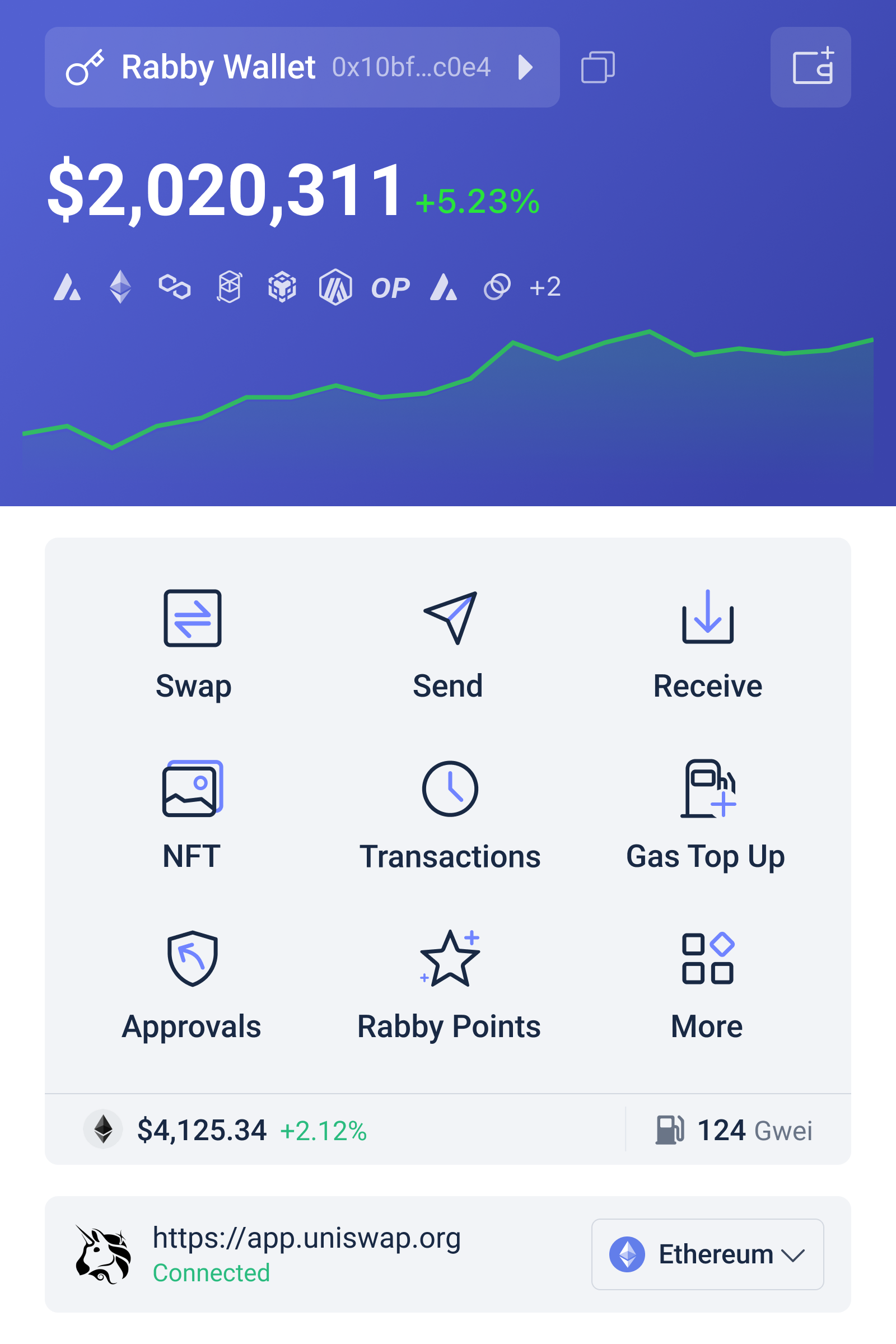
Okay, so where do we go from here? Some existing projects are steering in the right direction. There are wallet teams integrating simulation, bundling RPC fallbacks, and giving clearer approval UX. If you want a hands‑on wallet that already packs simulation and advanced transaction inspection into a compact, usable interface, try this one: https://rabby-wallet.at/. It doesn’t fix every edge case, and it certainly isn’t a silver bullet, but it stitches key guardrails into everyday flows in a practical way.
Personally, what bugs me is feature bloat masquerading as innovation. Wallets should solve real failure modes first. Really. Fancy onboarding flows and token stickers are fun, but they don’t stop reverts or rogue approvals. Design for the failure states. Teach users without being condescending. Offer power and safety together. That balance is the secret sauce.
On one hand, simulation increases confidence and reduces costly mistakes. On the other hand, it introduces complexity and occasional false signals that can confuse less technical users. Though actually, you can design around that: graded confidence, plain‑English summaries, and instant access to «what if» details for power users. Thoughtfully implemented, simulation is a small UX cost for a big reduction in risk.
FAQ
What exactly does «simulate transaction» mean?
It means running a dry‑run of the intended on‑chain operations using RPC or a local node to estimate outcomes—gas, state changes, and potential reverts—without broadcasting the transaction. Simulations may not capture every mempool adversary or oracle slippage, but they do reveal many common failure modes and significantly raise the bar for safe interactions.
Can simulation prevent MEV or front‑running?
No. Simulation can’t stop MEV or front‑running by itself. However, it can surface slippage paths, expected output ranges, and execution complexity so that users can choose tighter deadlines, different routes, or abandon a risky trade before signing anything. In practice it’s a mitigation, not a cure.
Is this only for advanced users?
No. Basic users benefit because simulation reduces surprises and shows clearer native language warnings. Advanced users gain deeper inspection data and the ability to tweak routes, combine transactions, and manage approvals more surgically. The goal is a spectrum of features that scale with user intent.